
Explore · Understand · Research
Gemstone Encyclopedia
Browse published articles or search by a gemstone, traditional name or topic.
25 published articles

Alexandrite
Alexandrite is a colour-change variety of chrysoberyl. Its appearance differs under different types of illumination, rather than simply changing with the camera angle.

Amber
Amber is fossilized resin and is an organic gem material rather than a mineral. Its low hardness affects handling and jewellery design.
Amethyst
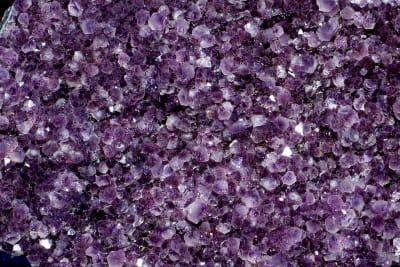
Purple quartz belongs to the same mineral species as citrine. Colour zoning and crystal form can be interesting features, but neither establishes natural origin or treatment status.
Aquamarine
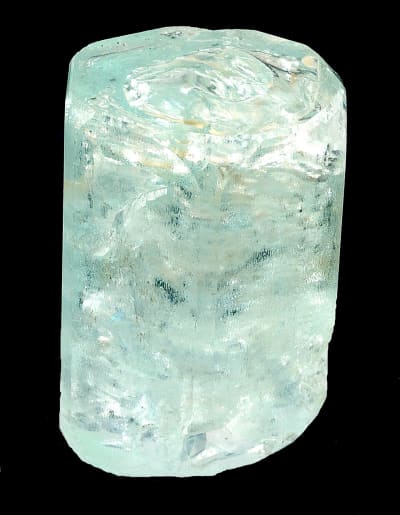
Aquamarine is the green-blue to blue variety of beryl. It shares its mineral species with emerald, but its colour range and variety name are different. A pleasing blue appearance does not establish that an individual stone is untreated.
Blue Sapphire
Blue sapphire is a blue variety of corundum. It shares its mineral species with ruby and sapphires of other colours. The familiar blue name does not identify a particular geographic source or establish that a specimen is untreated.

Citrine
Citrine is yellow to orange quartz. Its relationship to amethyst is mineralogical, rather than a statement that every yellow quartz crystal formed with its present colour.
Diamond
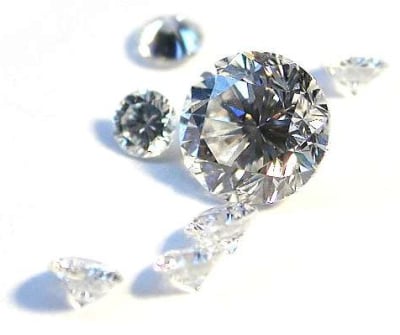
Diamond is crystalline carbon. Natural and laboratory-grown diamonds must be distinguished in descriptions; simulants are different materials that resemble diamond.

Emerald
Emerald is a green to bluish green variety of beryl. Aquamarine belongs to the same mineral species, but the names describe different varieties. The boundary between emerald and lighter green beryl is not expressed identically by every expert or laboratory.
Garnet
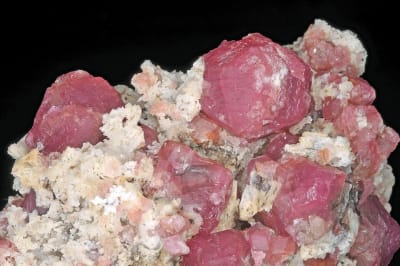
Garnet is a mineral group rather than one uniform species. Pyrope, almandine, spessartine, grossular and andradite are examples within its broad gem vocabulary.
Jade
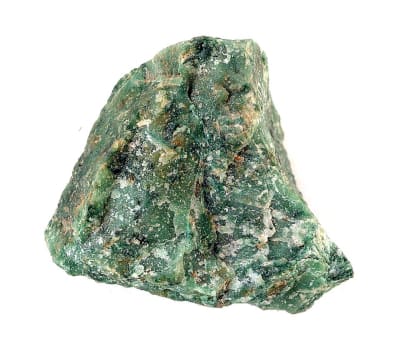
Jade is an umbrella gem name that includes jadeite and nephrite, rather than a single mineral with one fixed set of properties. Certain green omphacite materials are also included in gemological usage.
Lapis lazuli
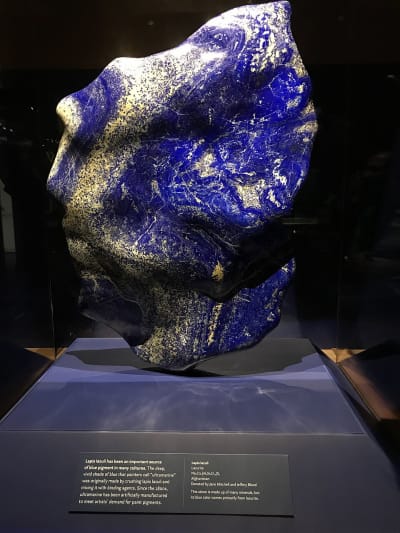
Lapis lazuli is a rock made of several minerals, with lazurite responsible for its characteristic blue. Calcite and pyrite can be visible components.
Moonstone
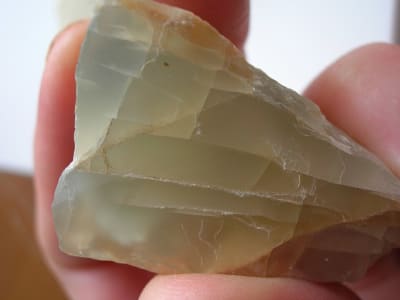
Moonstone belongs to the feldspar family. Its characteristic moving sheen is called adularescence and is associated with its internal structure.
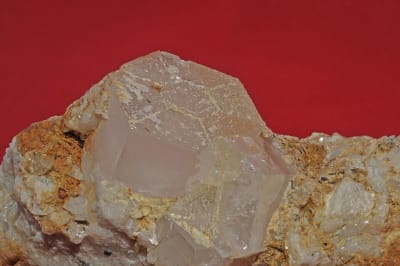
Morganite
Morganite is pink to orange-pink beryl. It shares its mineral family with emerald and aquamarine, but their colour names are not interchangeable.

Opal
Opal is hydrated silica. Precious opal displays play-of-colour, while common opal does not; body colour and play-of-colour are separate observations.

Pearl
Pearls form in mollusks. Cultured pearls involve human intervention in their formation, but cultured does not mean imitation.
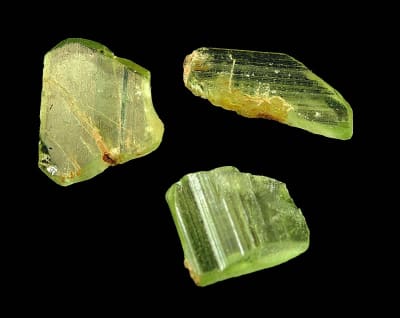
Peridot
Peridot is the gem variety of olivine. Its yellowish to brownish green range differs from the many colours possible in some other gem families.

Ruby
Ruby is the red variety of corundum, the mineral species that also includes sapphire. Its name describes a gem variety; it does not, by itself, establish natural origin, treatment status or the quality of an individual stone.
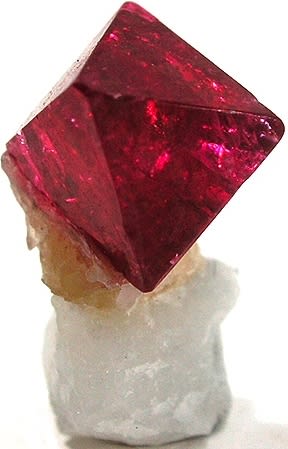
Spinel
Spinel is distinct from corundum, even though red spinel and ruby can look similar. Red, pink, blue and other colours occur.
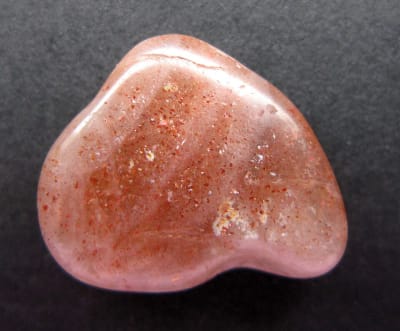
Sunstone
Sunstone is a feldspar gem associated with reflective inclusions that produce aventurescence. The feldspar material and the appearance term should both be understood.

Tanzanite
Tanzanite is the blue to violet gem variety of zoisite. Different viewing directions and lighting can change the colour impression.

Topaz
Topaz is a separate mineral species, not a general name for yellow gems. It occurs in several colours; commercial blue topaz commonly owes its colour to treatment.
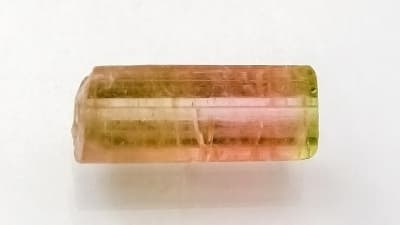
Tourmaline
Tourmaline is a group of minerals with many colours and compositions. A single crystal may contain distinct colour zones.
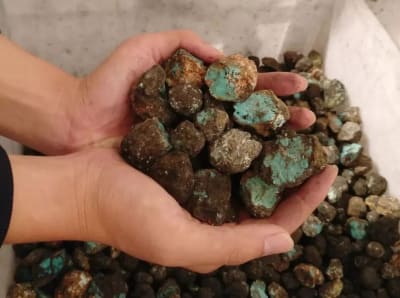
Turquoise
Turquoise is a blue to green gem material whose appearance may include a visible matrix. Porosity and treatment affect practical care.
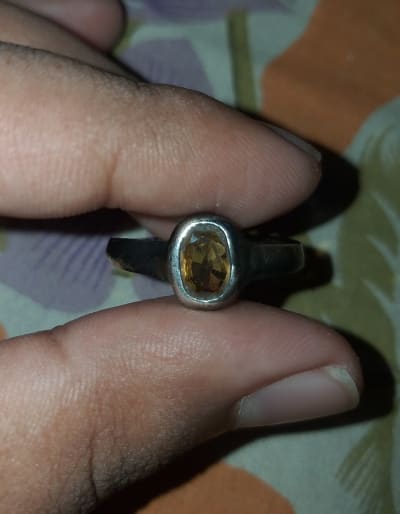
Yellow Sapphire
Yellow sapphire is a yellow variety of corundum, in the same mineral species as blue sapphire and ruby. It is a colour variety rather than an independent mineral species, and its name does not establish the treatment or origin of an individual specimen.
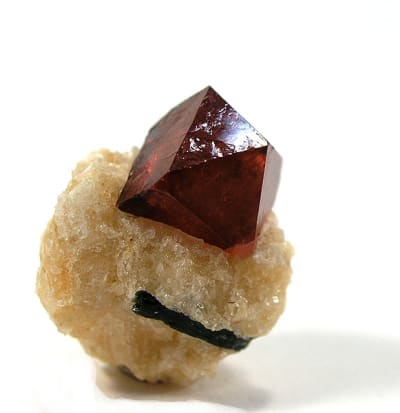
Zircon
Zircon is a naturally occurring mineral and is different from cubic zirconia. Confusing their names obscures a fundamental difference in material identity.