
KhyatiGems knowledge library
Tanzanite
Tanzanite is the blue to violet gem variety of zoisite. Different viewing directions and lighting can change the colour impression.
AI-assisted source review · 2026-10-16. No named gemologist review is claimed. How this reference was reviewed.
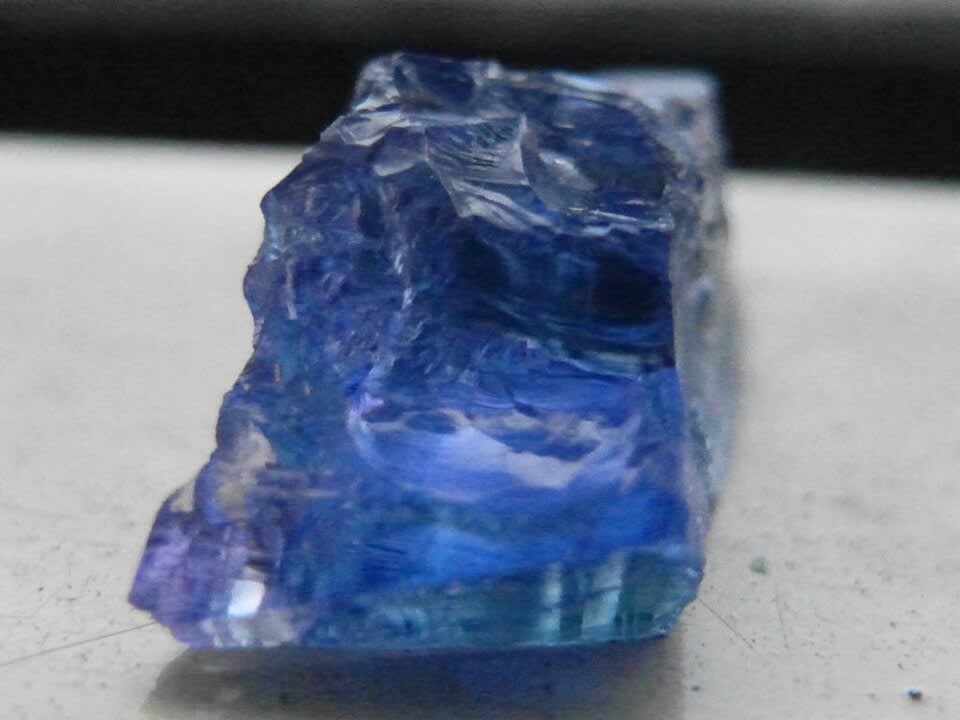
Rcdrun · CC BY-SA 4.0 · Source · CC BY-SA 4.0
| Material classification | Zoisite |
|---|---|
| Mohs hardness (reference) | 6–7 |
Identity and appearance
Tanzanite is the blue to violet gem variety of zoisite. Different viewing directions and lighting can change the colour impression.
Heating is common in the trade. The name does not certify that a particular stone is unheated or support an unqualified rarity or investment claim.
Care and handling
Cleavage and sensitivity to sudden temperature changes matter when setting and cleaning. Seek specific advice before using mechanical cleaners.
Questions for an individual stone
Keep the material name, natural or laboratory-grown origin, treatment description and any report together. Ask which conclusions were established by examination and which remain unknown. The reference properties here describe a material; they are not measurements of a stone offered for sale.
If a description and report disagree, request clarification before making a decision. Photographs are useful for discussing appearance, but cannot authenticate a specimen. Keep care instructions with the item so that a jeweller or repairer can assess it before work begins.
Comparison and interpretation
A comparison with blue sapphire should begin with the fact that tanzanite is zoisite and sapphire is corundum. A shared blue or violet impression does not make their durability or care the same. View the same tanzanite under different ordinary lights and from more than one direction. Ask whether the photographs use a consistent white balance, because colour comparisons can otherwise become comparisons of camera settings. The written record should identify the material and state what is known about heating, rather than imply an unheated history from a colour alone.
Choosing and documenting a piece
Discuss jewellery design before deciding how frequently an exposed stone will be worn. Cleavage and the risk of impact matter even when a gem looks clear and bright. A protective mounting may be appropriate, but the individual stone and setting need professional assessment. Before cleaning or repair, pass along treatment and condition information. Do not use a hardness test on a finished tanzanite. The practical question is how to care for this particular piece, not whether a reference number can be used as a promise against every kind of damage.
Before making a decision
For tanzanite, ask the seller to identify the actual item, state what remains unknown and explain the scope of any report. Keep photographs, measurements and written disclosures together. If an answer matters to your decision, obtain it before commissioning a setting or arranging a repair.
Sources and further reading
- GIA Tanzanite reference Checked 2026-10-16