
KhyatiGems knowledge library
Alexandrite
Alexandrite is a colour-change variety of chrysoberyl. Its appearance differs under different types of illumination, rather than simply changing with the camera angle.
AI-assisted source review · 2026-10-16. No named gemologist review is claimed. How this reference was reviewed.
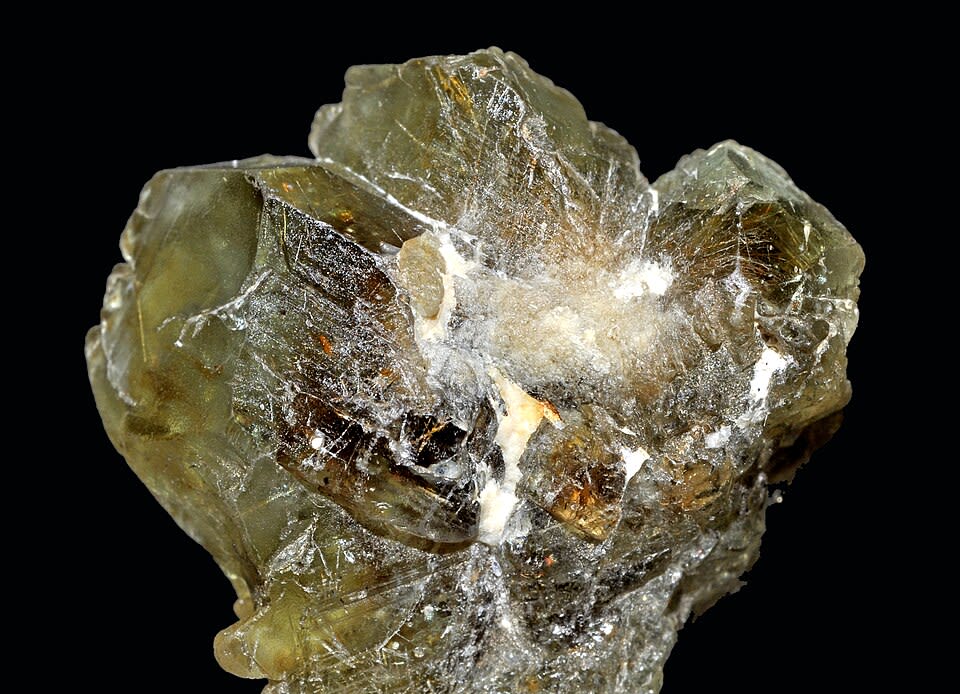
Parent Géry · CC0 · Source · CC0
| Material classification | Chrysoberyl |
|---|---|
| Mohs hardness (reference) | 8.5 |
Identity and appearance
Alexandrite is a colour-change variety of chrysoberyl. Its appearance differs under different types of illumination, rather than simply changing with the camera angle.
Other natural and synthetic materials can also show colour change. A green-to-red video does not establish that a gem is natural alexandrite.
Care and handling
Ask for comparable views under stated lighting and an appropriate identification report. Do not infer geographic origin or treatment from the strength of the change.
Questions for an individual stone
Keep the material name, natural or laboratory-grown origin, treatment description and any report together. Ask which conclusions were established by examination and which remain unknown. The reference properties here describe a material; they are not measurements of a stone offered for sale.
If a description and report disagree, request clarification before making a decision. Photographs are useful for discussing appearance, but cannot authenticate a specimen. Keep care instructions with the item so that a jeweller or repairer can assess it before work begins.
Comparison and interpretation
A useful colour-change comparison requires stated illumination. Compare the same object in the two lighting conditions, with camera settings and backgrounds described as consistently as possible. Do not confuse a change with viewing direction, a coloured reflection or an edited photograph with the relevant colour-change observation. Even a persuasive comparison does not prove natural origin: other materials and laboratory-grown counterparts must be considered by an appropriate examination. Ask what the report identifies and whether the photographed object can be matched to that report.
Choosing and documenting a piece
When deciding on a piece of jewellery, consider the colour you will actually see in the places where it is worn. A dramatic side-by-side photograph can be informative, but it should not replace an ordinary viewing experience. Ask about inclusions, condition and any treatment before setting or cleaning. Keep an origin conclusion only when it is supported and within the report’s scope. A famous historical source does not establish where a particular modern stone formed. Document uncertainty rather than attaching an attractive origin story to colour change alone.
Before making a decision
For alexandrite, ask the seller to identify the actual item, state what remains unknown and explain the scope of any report. Keep photographs, measurements and written disclosures together. If an answer matters to your decision, obtain it before commissioning a setting or arranging a repair.
Sources and further reading
- GIA Alexandrite reference Checked 2026-10-16