
KhyatiGems knowledge library
Amber
Amber is fossilized resin and is an organic gem material rather than a mineral. Its low hardness affects handling and jewellery design.
AI-assisted source review · 2026-10-16. No named gemologist review is claimed. How this reference was reviewed.
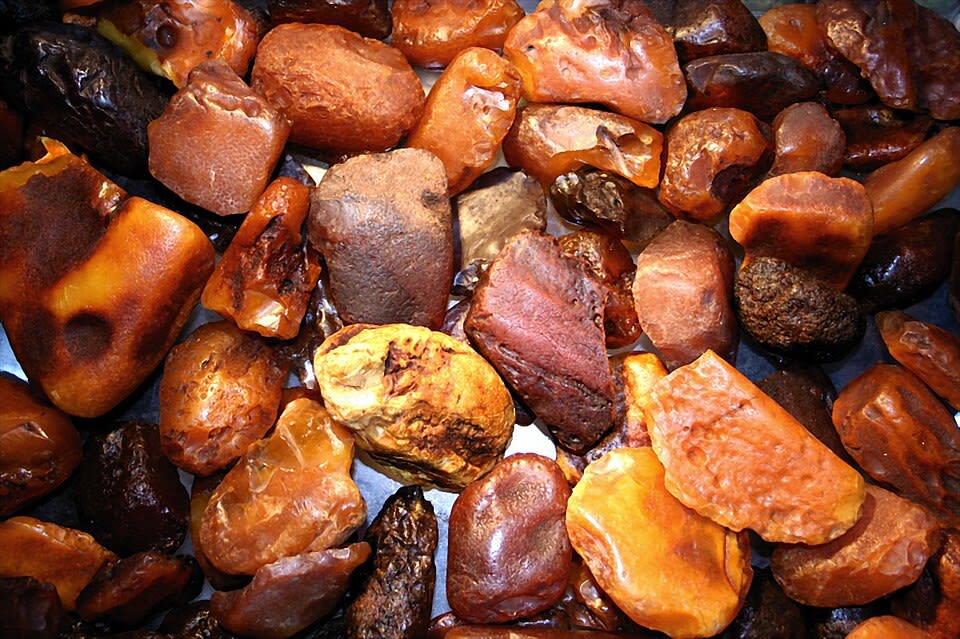
uploaded with permission from User Lanzi by Ra'ike on de.wikipedia · CC BY-SA 3.0 · Source · CC BY-SA 3.0
| Material classification | Fossil resin |
|---|---|
| Mohs hardness (reference) | 2–2.5 |
Identity and appearance
Amber is fossilized resin and is an organic gem material rather than a mineral. Its low hardness affects handling and jewellery design.
An insect-like inclusion does not establish age or authenticity. Resin imitations, reconstituted material and treatment claims require appropriate examination.
Care and handling
Protect from heat, chemicals and abrasion. Do not use a hot needle, flame, solvent or other damaging home test on a specimen.
Questions for an individual stone
Keep the material name, natural or laboratory-grown origin, treatment description and any report together. Ask which conclusions were established by examination and which remain unknown. The reference properties here describe a material; they are not measurements of a stone offered for sale.
If a description and report disagree, request clarification before making a decision. Photographs are useful for discussing appearance, but cannot authenticate a specimen. Keep care instructions with the item so that a jeweller or repairer can assess it before work begins.
Comparison and interpretation
Amber belongs to an organic-material discussion rather than a mineral-family comparison. Separate fossil resin from imitations and from other resins that may resemble it. An insect or plant-like inclusion can be visually interesting without proving age, authenticity or locality. Ask which examination supports the material identification and what is known about processing. If an object is described as reconstructed or assembled, that construction should remain part of the description. Do not assume that every inclusion shown in a highly magnified photograph is equally visible in ordinary use.
Choosing and documenting a piece
Soft surfaces and sensitivity to heat make handling a practical part of choosing amber jewellery. Ask how the item will be protected from abrasion and contact with chemicals, and inspect fittings without pulling or twisting the material. Do not carry out flame, hot-needle or solvent experiments on an object you want to preserve. A destructive test may damage both the specimen and useful evidence. Keep the description and any examination findings together. General information about fossil resin should not be turned into a specific age or source claim for an unexamined piece.
Before making a decision
For amber, ask the seller to identify the actual item, state what remains unknown and explain the scope of any report. Keep photographs, measurements and written disclosures together. If an answer matters to your decision, obtain it before commissioning a setting or arranging a repair.
Sources and further reading
- GIA Amber reference Checked 2026-10-16