
KhyatiGems knowledge library
Topaz
Topaz is a separate mineral species, not a general name for yellow gems. It occurs in several colours; commercial blue topaz commonly owes its colour to treatment.
AI-assisted source review · 2026-10-16. No named gemologist review is claimed. How this reference was reviewed.
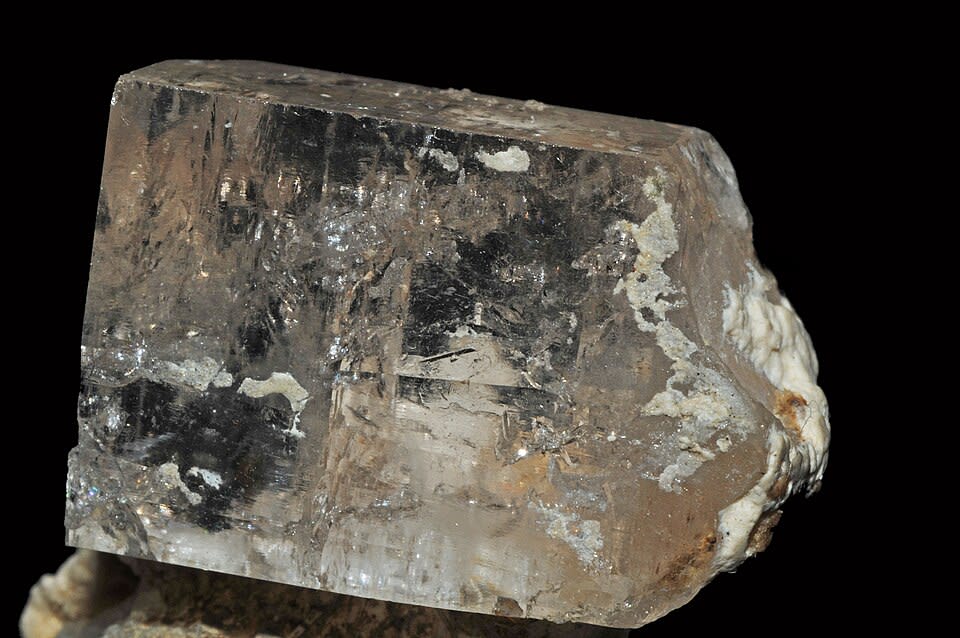
Parent Géry · CC BY-SA 3.0 · Source · CC BY-SA 3.0
| Material classification | Topaz |
|---|---|
| Mohs hardness (reference) | 8 |
Identity and appearance
Topaz is a separate mineral species, not a general name for yellow gems. It occurs in several colours; commercial blue topaz commonly owes its colour to treatment.
An appealing trade colour name is not a laboratory conclusion. Ask whether irradiation, heating or coating is involved in the particular stone.
Care and handling
Topaz has cleavage. Its Mohs hardness does not remove the risk of splitting after a blow; discuss protective settings and cleaning with a professional.
Questions for an individual stone
Keep the material name, natural or laboratory-grown origin, treatment description and any report together. Ask which conclusions were established by examination and which remain unknown. The reference properties here describe a material; they are not measurements of a stone offered for sale.
If a description and report disagree, request clarification before making a decision. Photographs are useful for discussing appearance, but cannot authenticate a specimen. Keep care instructions with the item so that a jeweller or repairer can assess it before work begins.
Comparison and interpretation
Compare a blue topaz description with aquamarine carefully. A similar pale blue colour does not make them the same mineral, and a photograph cannot supply the distinction. Likewise, a yellow stone called topaz should still have an identification rather than rely on an old commercial colour association. Ask for the material name, colour description, known treatment and any coating to appear together in the written record. If a colour term implies an origin or exceptional rarity, ask what evidence supports that additional statement.
Choosing and documenting a piece
When planning jewellery, cleavage deserves its own discussion. Resistance to scratching does not tell you how a crystal may respond to a concentrated blow. Ask whether the setting protects vulnerable edges and whether the stone has existing damage near the girdle or corners. Before repair or resetting, tell the jeweller what is known about treatment. A coated stone may require different handling from an uncoated one. Keep any report and seller disclosure with the item rather than assuming future cleaners will recognize its treatment by appearance.
Before making a decision
For topaz, ask the seller to identify the actual item, state what remains unknown and explain the scope of any report. Keep photographs, measurements and written disclosures together. If an answer matters to your decision, obtain it before commissioning a setting or arranging a repair.
Sources and further reading
- GIA Topaz reference Checked 2026-10-16