
Corundum
Ruby ↗
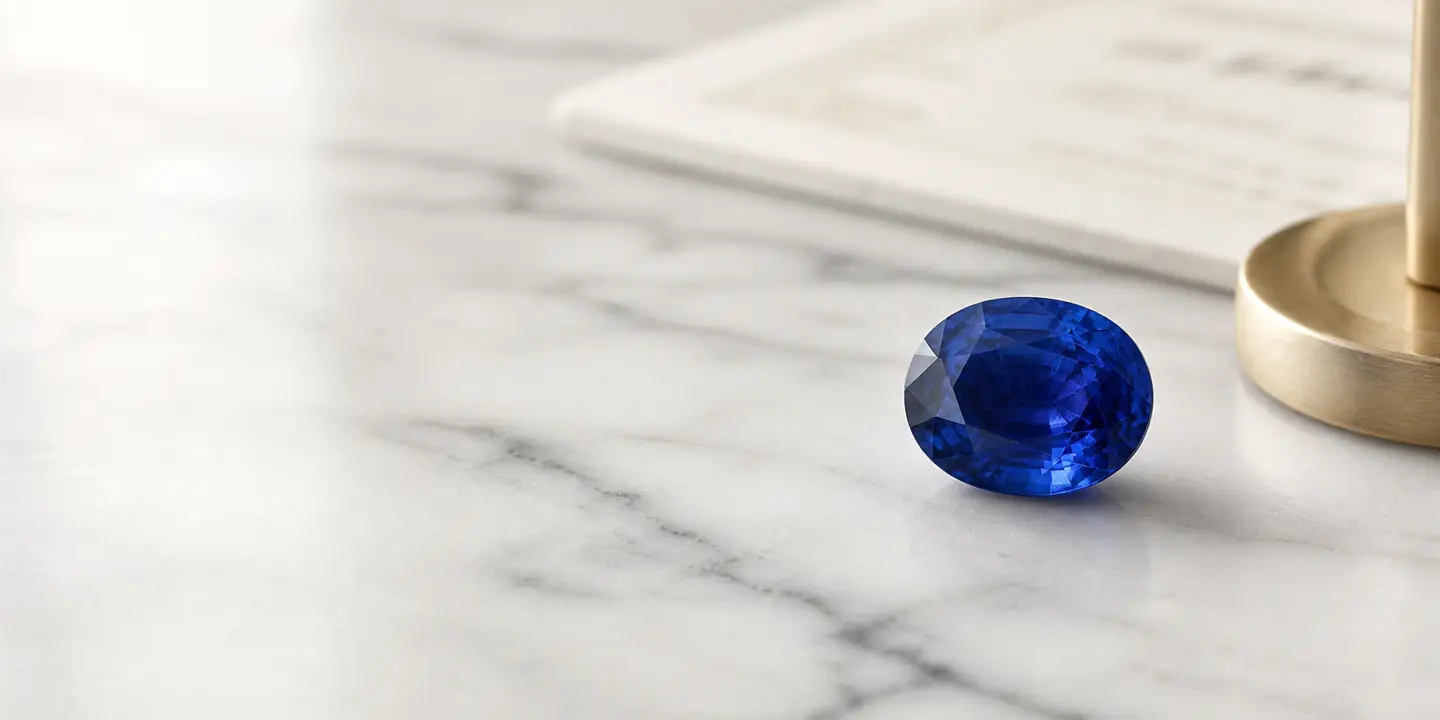
Ruby is the red variety of corundum, the mineral species that also includes sapphire. Its name describes a gem variety; it does not, by itself, establish natural origin, treatment status or the quality of an individual stone.

The KhyatiGems Gemstone Encyclopedia
Explore gemstone properties, treatments, origins and care in the KhyatiGems Gemstone Encyclopedia.
A visual introduction to the KhyatiGems brand, featuring gemstone examination scenes, selection, packaging and jewellery.
KhyatiGems brand presentation
A considered place to begin
Begin with a name, follow a question and look beyond colour. The encyclopedia brings gemstone properties, treatments and care into one place.
Explore the encyclopedia →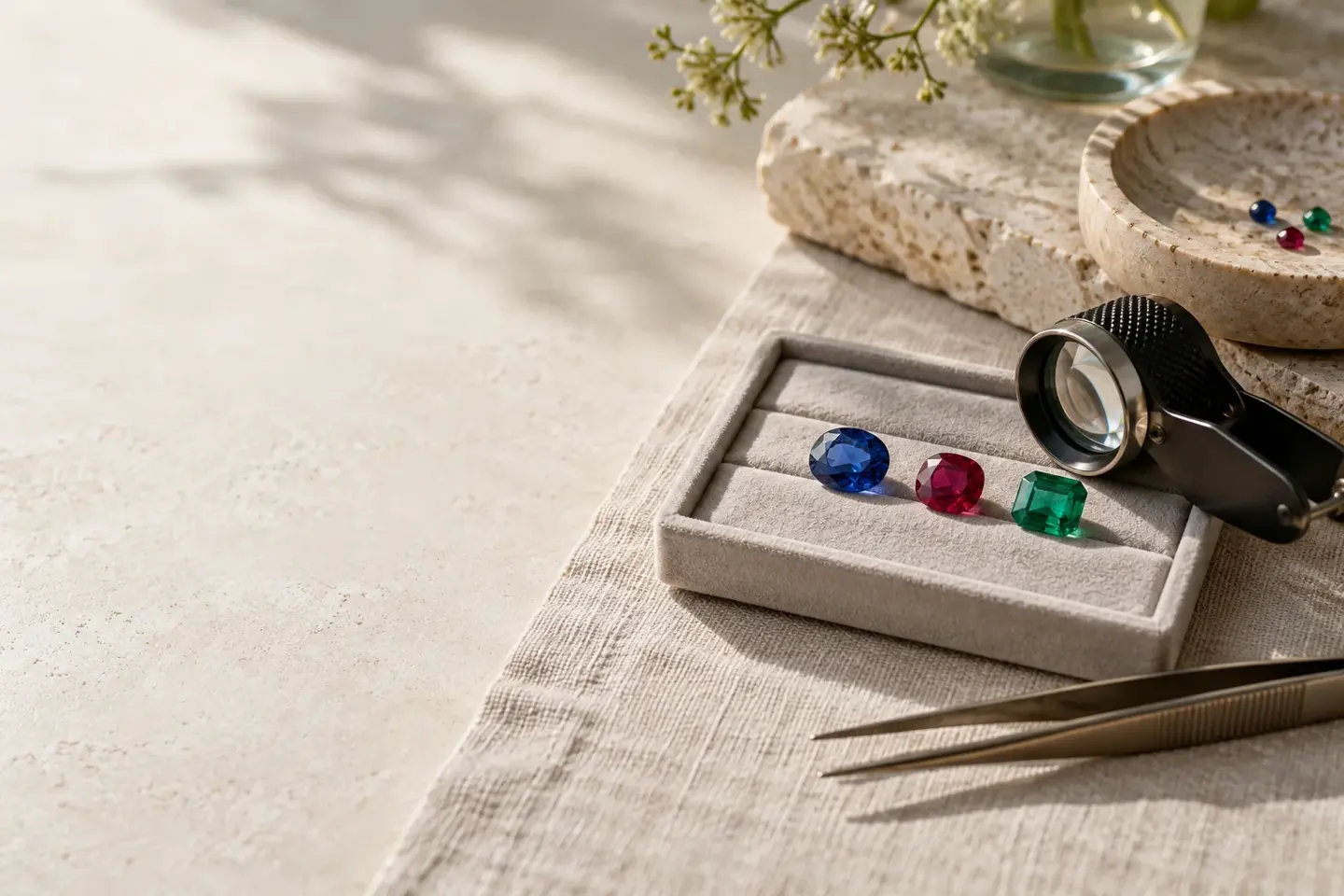
Our story
Khyati Precious Gems Private Limited is the company behind KhyatiGems. We bring together gemstone information and a direct way to ask questions before making a choice.
Discover our story →“We believe a gemstone should be understood before it is chosen.”
The KhyatiGems approach
Explore the encyclopedia
Corundum
Ruby is the red variety of corundum, the mineral species that also includes sapphire. Its name describes a gem variety; it does not, by itself, establish natural origin, treatment status or the quality of an individual stone.

Corundum
Blue sapphire is a blue variety of corundum. It shares its mineral species with ruby and sapphires of other colours. The familiar blue name does not identify a particular geographic source or establish that a specimen is untreated.

Beryl
Emerald is a green to bluish green variety of beryl. Aquamarine belongs to the same mineral species, but the names describe different varieties. The boundary between emerald and lighter green beryl is not expressed identically by every expert or laboratory.

Quartz
Purple quartz belongs to the same mineral species as citrine. Colour zoning and crystal form can be interesting features, but neither establishes natural origin or treatment status.

Beryl
Aquamarine is the green-blue to blue variety of beryl. It shares its mineral species with emerald, but its colour range and variety name are different. A pleasing blue appearance does not establish that an individual stone is untreated.
Biogenic material
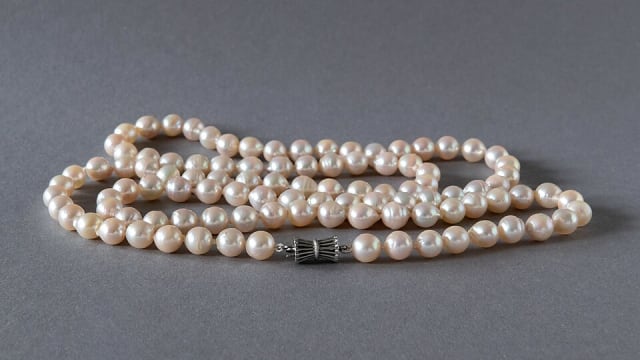
Pearls form in mollusks. Cultured pearls involve human intervention in their formation, but cultured does not mean imitation.
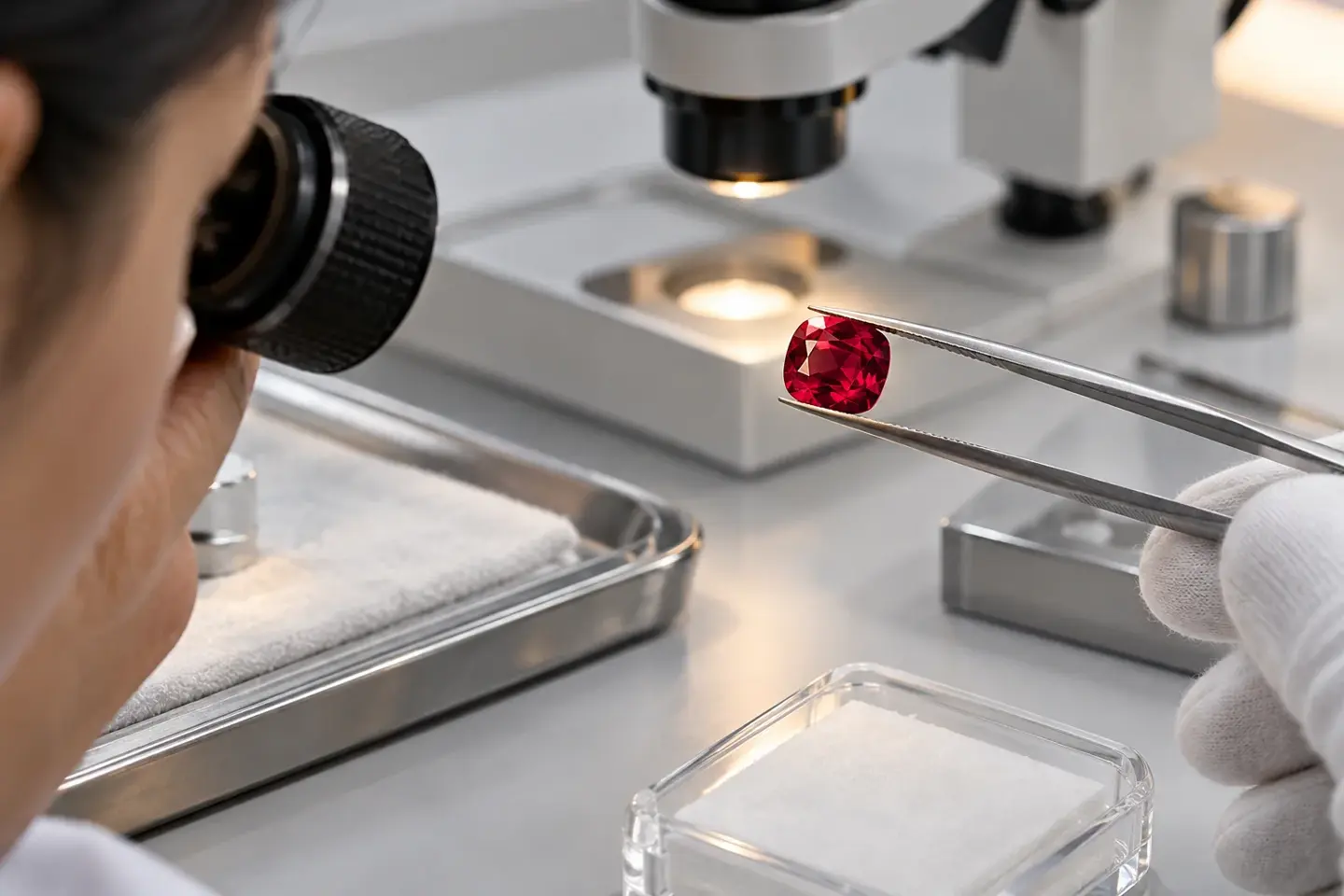
Documentation and evidence
Understand what a laboratory report records, match its details to the gemstone and recognise the limits of a photograph or a name.
Learn before you choose
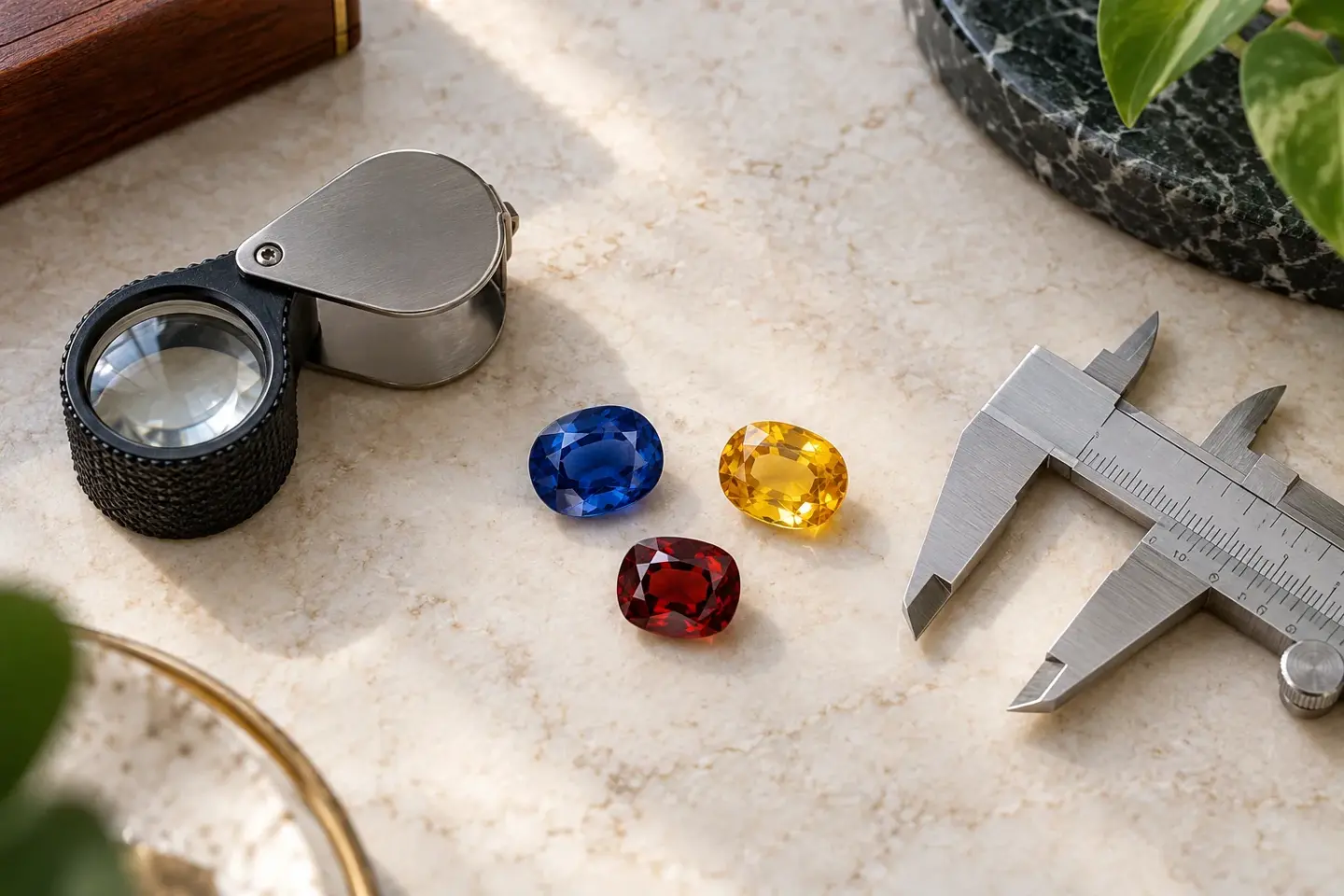
Gemstone education
Keep material identity, natural or laboratory origin, and imitation separate when reading a gemstone description.
Read guide →Gemstone education
Ask what treatment was performed on the individual gemstone, what evidence supports that description, and whether it changes the care required.
Read guide →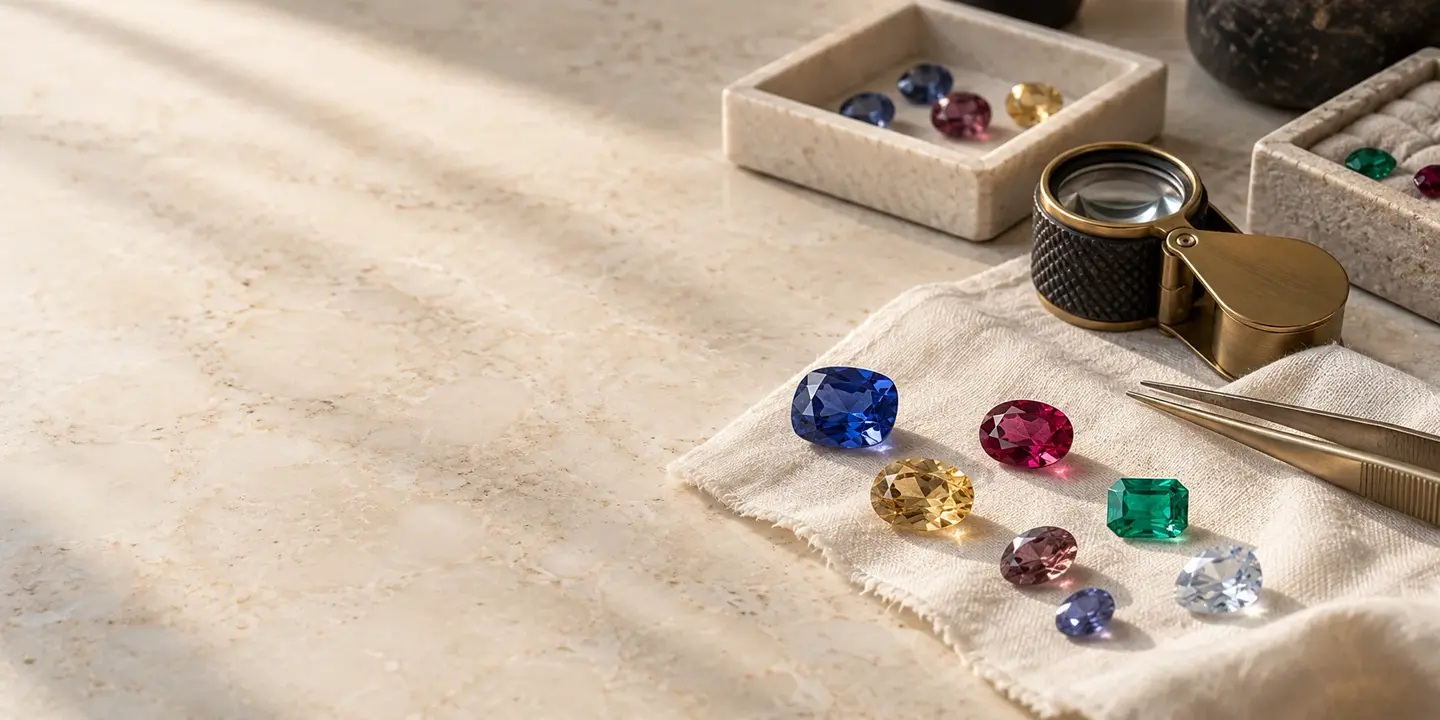
Gemstone education
Read the identification, detected treatments and stated scope of a laboratory report before drawing conclusions about an individual gemstone.
Read guide →Guide illustrations are brand artwork. Reference photographs are identified within individual articles.
Where to buy
Explore information here, then contact the team about a particular gemstone or purchase channel.
Where to buy →


Start with the gemstone index. Read the material description, treatment information and sources, then ask about any detail that remains unclear.
A photograph is useful for appearance, but does not establish natural origin, treatment status or geographic provenance.
This website is for information and enquiries. Contact KhyatiGems about its external purchase channels.
Use the enquiry form below or the contact page. Your message will be saved for the team to review.
We are here to help
Whether you are researching gemstones or looking for something specific, tell our team what you would like to understand.
Explore Ask KhyatiGems →